Teaching music comes with a second job: organizing lessons, chasing payments, sending practice notes and answering parents. The right app can take some of that work off your plate. A notation editor solves a different problem from a booking system, though, so start with the task you need help with.
For a private studio, My Music Staff is a useful starting point for scheduling and billing. TeacherZone combines school administration with student assignments. For classroom composition, look at Flat for Education or BandLab for Education. If you teach from PDFs on an iPad, forScore is the more relevant choice.
The comparison below separates music teaching apps by their job. Prices are in US dollars where quoted, checked in October 2026. Taxes, payment processing and optional purchases can add to the cost.
Music teacher apps compared
| App | Best fit | Access | Price basis and main limitation |
|---|---|---|---|
| My Music Staff | Private studio scheduling, billing and student records | Browser | $16.95/month, plus $4.95 per additional teacher or staff member. Unlimited students. No score editor. |
| TeacherZone | Music schools combining administration and practice assignments | Web and teacher/student apps | Growing plan $99/month for up to 100 students. A larger commitment for a solo teacher. |
| Duet | Lesson calendars, billing and lesson notes | Browser | Subscription. Check current terms, as public pricing pages contain conflicting offers. |
| Studio Director | School registration, class rosters and waitlists | Browser | 0–100 students: $65/month software only, or $39 with its payments offering. Check processing costs. |
| Omnify | Self-service class and workshop bookings | Browser | Plan and transaction fees vary. General booking software rather than a music teaching system. |
| Flat for Education | Shared notation, composition assignments and assessment | Browser | Education licensing. Check the school plan separately from public Flat accounts. |
| BandLab for Education | Recording and production assignments | Web classroom | Education 2.0 announced at $2.50/student/year, with eligible school support. Separate from consumer BandLab. |
| Symphony Pro | Writing and editing notation on Apple devices | iPad and iPhone | $14.99 app, plus $9.99 for handwriting recognition. |
| forScore | Reading and annotating PDF sheet music | iPad, iPhone and Mac | $24.99 app. Optional Pro subscription starts at $14.99/year. Does not edit individual notes in a score. |
| musictheory.net | Theory and ear-training homework | Browser | Free web lessons and exercises. No studio scheduling or billing. |
Apps for music lesson scheduling and studio management
My Music Staff
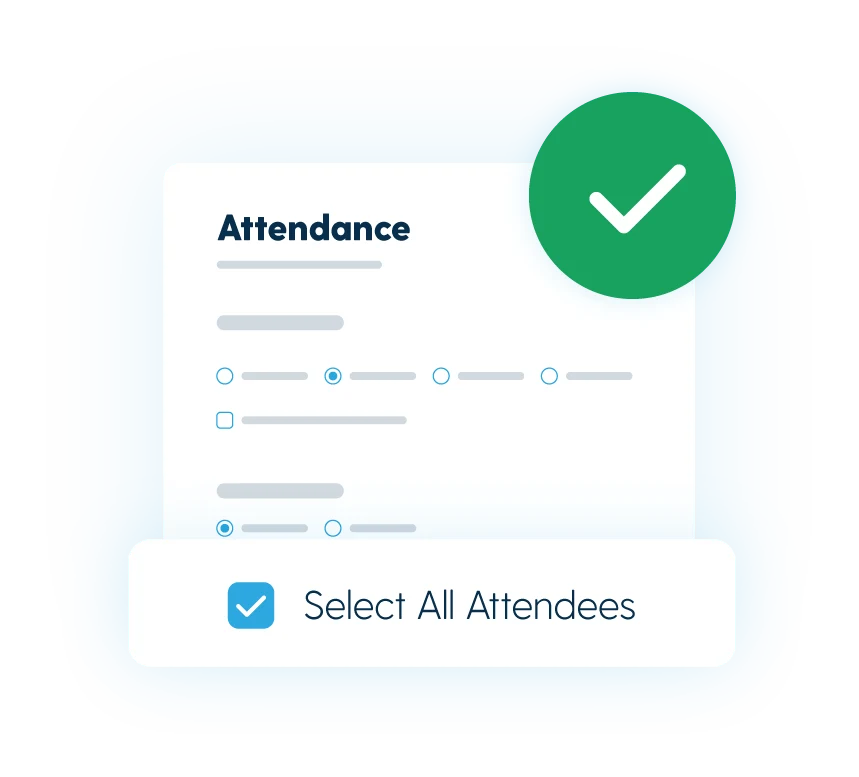
My Music Staff could be a big help if you’re using spreadsheets for billing, a separate calendar for scheduling, and long email chains to talk to parents. It brings lesson scheduling, attendance, invoices and student records into one place.
The student portal lets students and parents see their calendar, access shared files and lesson notes, log practice time and view their bills. Teachers can also track expenses and manage a lending library. These are useful studio administration features, especially when the same information otherwise needs entering in several places.
The published price is $16.95 per month with unlimited students, plus $4.95 for each additional teacher or staff member. There is a 30-day trial. This is a staff-based price, rather than a fee that increases with each student.
Use the trial to run a normal teaching week: add a recurring lesson, record an absence, send an invoice and check what a parent sees. Payment processing costs and your cancellation policy still need attention.
TeacherZone
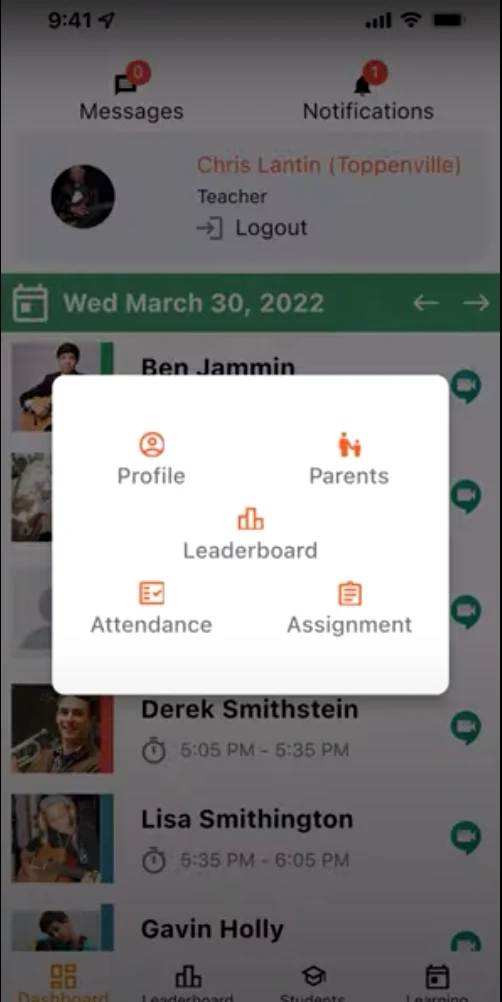
TeacherZone combines scheduling and billing with work students do between lessons. Teachers can share video, audio and other resources, set assignments, communicate with students and follow practice activity.
That combination makes it worth considering for a music school that wants administration and learning tools in the same system. It also means there is more to set up than a shared calendar. Check the teacher and student views before moving a whole studio across.
TeacherZone’s pricing lists Growing at $99 per month for up to 100 students and Established at $225 per month for up to 250. For a solo teacher, compare the cost with a smaller studio system before committing.
Duet (formerly Music Teacher’s Helper)
Duet covers lesson calendars, billing, reminders and student records. You can save lesson notes, share files and give students or parents access to studio information. It is an option for teachers who want to keep the business side of lessons organized.
Treat it as a browser-based service rather than relying on the old claim of native iOS and Android apps. The Music Teacher’s Helper FAQ describes web access across devices.
The public Duet and legacy Music Teacher’s Helper pages show conflicting prices and promotions. We have removed the old five-tier table rather than give you a price that may not apply. Confirm the subscription, student allowance, payment fees and migration terms through Duet before signing up.
Studio Director
Studio Director suits schools managing registration, class rosters, payments and waitlists. It is particularly relevant when you sell group classes or run several teachers’ schedules. Its administrative features are the reason to consider it, rather than music practice or score editing.
The pricing page distinguishes software-only pricing from discounted software with its payments offering. For 0–100 students, those prices are $65 and $39 per month respectively. For 501–1,000 students, they are $199 and $149. Published tiers continue up to 5,000 students, with a quote required above that.
Compare the total cost, including payment processing, before treating the discounted monthly fee as the cheaper option.
Omnify
Omnify handles self-service bookings, class capacity, waitlists, memberships and payments. It can suit workshops, group lessons or a school where students choose from available sessions.
It is a general booking platform, so check how it handles your actual lesson rules: recurring places, make-up lessons, family accounts and cancellations. A system built for drop-in classes may need a different setup from weekly private tuition.
Omnify’s plans have different limits and fee arrangements. Confirm the current subscription and transaction fees for your booking volume. Waivers are something to configure if your business needs them, rather than a universal requirement for every music student.
Apps for notation, composition and sheet music
Flat for Education
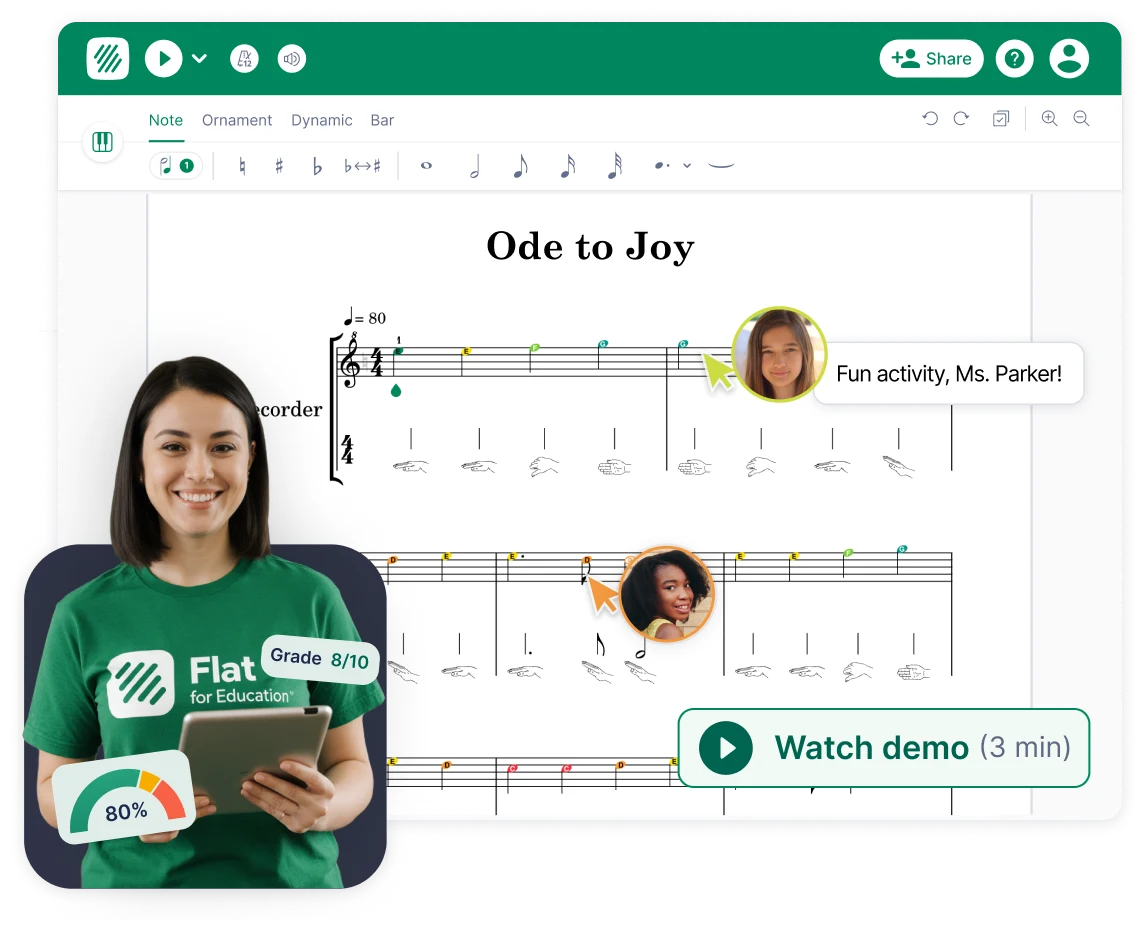
Flat for Education lets teachers and students work on music notation in a browser. You can share a score, leave comments, hear playback and set composition or arranging assignments. This is useful when you want to see how a student constructs a piece, rather than only hear the finished performance.
The education product adds classroom and assessment tools, including learning management system integrations. It is different from choosing a free or paid account on the public Flat platform. Check Flat for Education and its education pricing for the licences and integrations your school needs.
MusicXML, MIDI and PDF export help when you need to move work between notation tools or print a part. If your task is converting an existing recording into notation, see our separate guide to music transcription software.
BandLab for Education
BandLab for Education is worth a look for recording, songwriting and music production assignments. A student can build a track, record a part and submit work for feedback without your school installing a conventional desktop DAW on every machine.
Keep the education product separate from consumer BandLab. The public BandLab service has free core features and paid membership options. That does not mean every education feature is free.
In its June 2026 Education 2.0 announcement, BandLab listed a price of $2.50 per student per year. Eligible US Title I schools can apply for free access, with support for comparable schools in other markets. Announced classroom features include join codes, portable assignment files and teacher notes or reference material attached to projects.
The announcement also says the existing education platform continues to be supported, without an immediate compulsory migration. If your school already uses it, check which version you have and the terms offered to your school before planning a switch. Test recording on the devices and network students will actually use.
Symphony Pro
Symphony Pro is a notation editor for iPad and iPhone. You can enter notes using its on-screen tools or a MIDI keyboard, play back a score and export PDF, MIDI or MusicXML files. That makes it useful for writing a short exercise during a lesson or preparing an arrangement away from your computer.
Handwriting recognition is an optional purchase. The US App Store listing lists the app at $14.99 and the Handwriting Recognition purchase at $9.99.
Use Symphony Pro’s current product information to check device compatibility and input options. It does not replace lesson scheduling or billing software, and score playback should not be confused with a dedicated ear-training course.
forScore
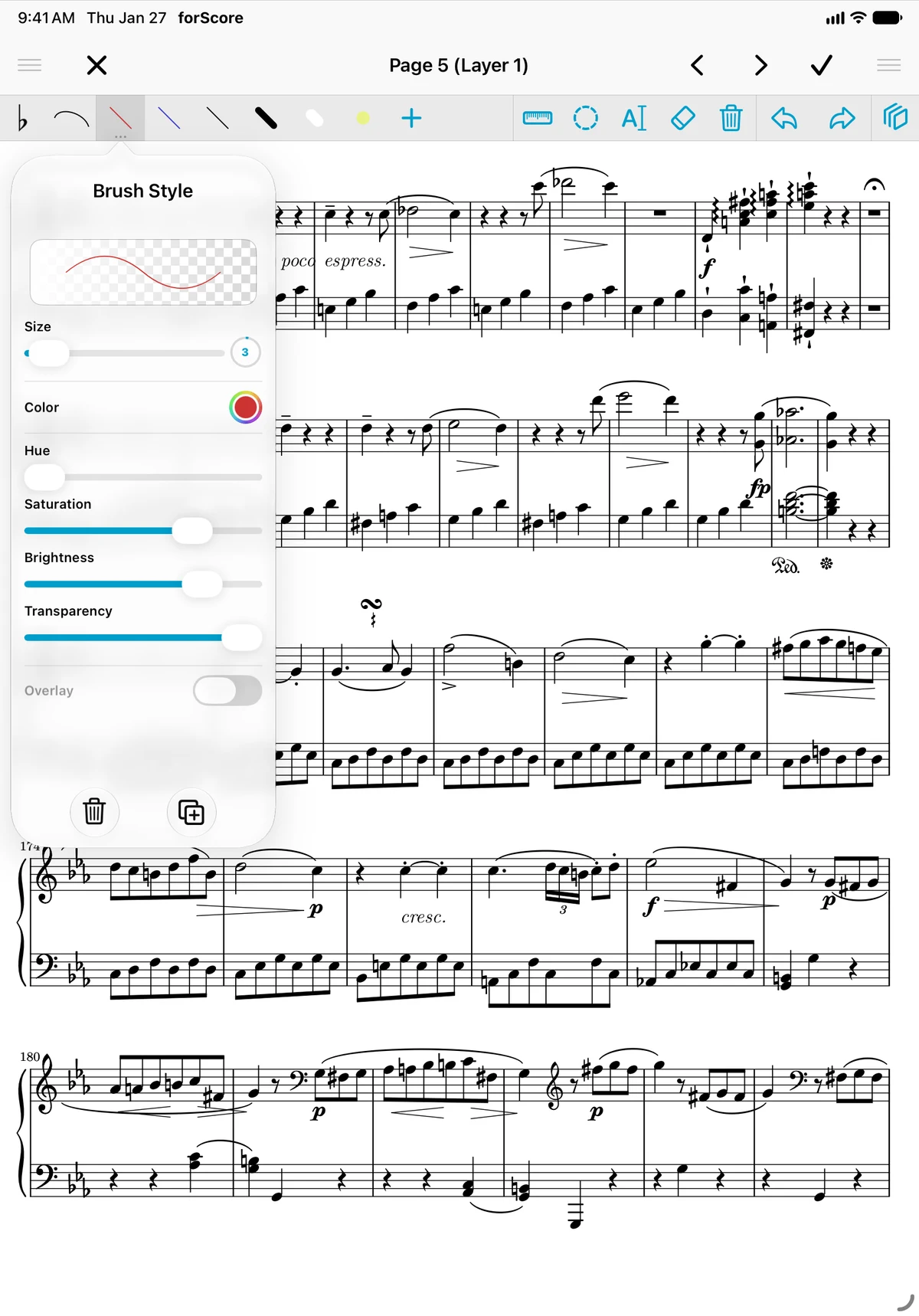
forScore is for reading and annotating PDF sheet music. You can organize your library, create setlists and bookmarks, mark a score with Apple Pencil and use compatible page-turning pedals or MIDI controls.
For teaching, the useful part is keeping fingering, phrasing and lesson annotations beside the music. It edits the document’s pages and annotations, rather than changing individual notes as a notation editor would. You supply your own scores. Do not buy it expecting a bundled library of songs.
The app costs $24.99, with an optional Pro subscription starting at $14.99 per year. Pro is an addition to the app purchase, rather than an alternative way to buy the app. Check forScore’s current details and your regional App Store for pricing and compatibility.
Free theory and ear-training exercises
musictheory.net
musictheory.net provides free browser exercises for note reading, intervals, scales, chords and ear training. Teachers can customize an exercise and share a permanent link, so students practise the material assigned for that week.
For example, you can restrict note identification to a clef and range that matches a beginner’s current work. That is more useful than sending the student to a general exercise page and hoping they choose the right settings.
The free website is separate from the developer’s paid iOS apps, including Tenuto. It has no studio calendar or invoicing system, but it is an accessible way to add focused theory practice. For more context on applying these skills, see our guide to music theory for producers.
We have removed Tonara from this guide because its former website no longer provides the music teaching service described in the original article. The old recommendation and link should no longer be used.
How to choose a music teaching app
Choose one job to fix first. If your main problem is late invoices, a new notation editor will not help.
- For a solo studio, trial My Music Staff or Duet with your real recurring lessons, absences and family billing arrangements.
- For a school with several teachers, compare TeacherZone’s learning tools with the registration and administration features you need from Studio Director or another school management system.
- For workshops and self-service bookings, test Omnify’s capacity limits, waitlists and payment fees.
- For classroom composition, compare Flat for Education’s notation assignments with BandLab for Education’s recording projects.
- For iPad lessons, choose Symphony Pro when you need to write notes and forScore when you need to mark up existing PDFs.
- For free theory homework, start with a customized musictheory.net exercise.
Before moving student records, check staff access, parent permissions, data export and the school’s requirements for student accounts. Then test one complete cycle: schedule a lesson, assign work, collect payment where relevant, and retrieve the records you would need if you left the service.
For student recording projects, sheet-music reading and backing-track practice, compare our mobile apps for musicians.
Questions about music teacher apps
What is the best app for music lesson scheduling?
My Music Staff is a practical starting point for private teachers who also need invoices and student records. TeacherZone and Studio Director are worth comparing for larger schools. Test recurring lessons, make-up credits and family billing before choosing, since those rules vary between studios.
Are there free apps for music teachers?
Yes. musictheory.net has free web lessons and exercises. Consumer BandLab has free recording features, but schools should check the separate education product and its current terms. Free access to a music tool does not necessarily include class management, assessment or school account controls.
Can forScore edit sheet music?
forScore lets you annotate and organize PDF scores. To change pitches, rhythms or notation itself, use a notation editor such as Symphony Pro or Flat for Education.
Do I need one app for everything?
A studio management service plus one teaching tool is often enough to start. Choose the combination around the work you actually do. Check that students can open assignments on their devices before adding another subscription.
About the author
Keith, a musician for over 30 years, is still in love with music as much as ever and remains a passionate consumer of music by experimenting with new styles, genres and sounds.